
CD2 DFL Convention is on Saturday May 11 at 1pm
Congressional District 2 Convention
Saturday, May 11, 2024 Start Time: 1:00 PM
Blackhawk Middle School, 1540 Deerwood Drive, Eagan , Minnesota.
Saturday, May 11, 2024 Start Time: 1:00 PM
Blackhawk Middle School, 1540 Deerwood Drive, Eagan , Minnesota.
State DFL: Convention is on May 30 - June 1 In Duluth
|
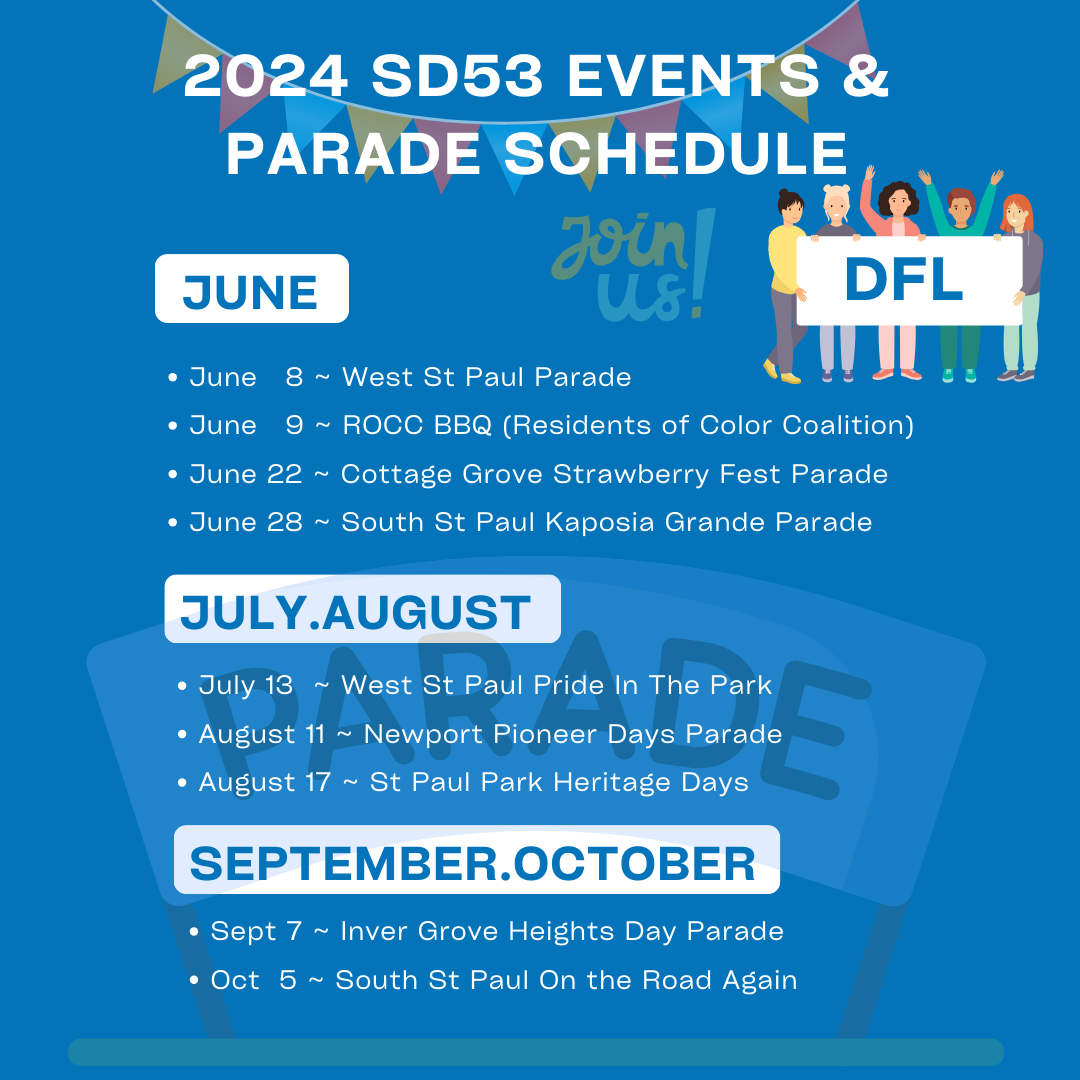
SD53 already has a list of summer, and even fall, events. Be sure to put them in your calendar. We will update them with details as we get them.
|
|
The Legislature is in Session
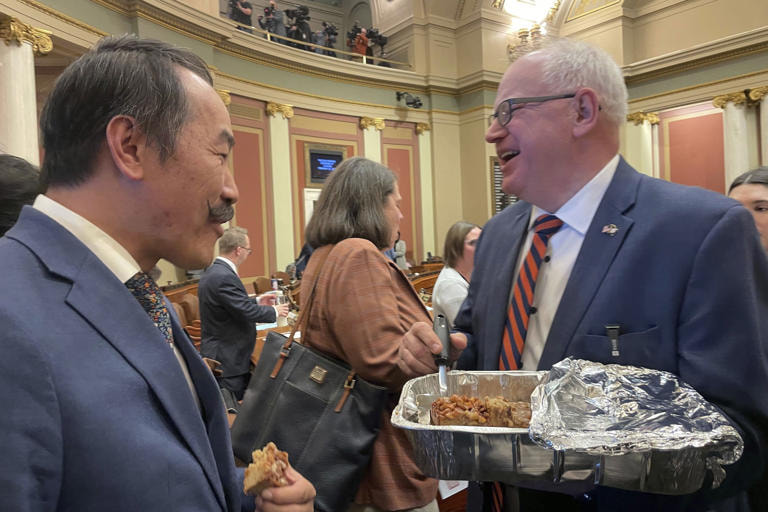
Think the opening day of the MN Legislature was all about Governor Walz handing out bars? Well there were 245 bills introduced in the House and 197 bills introduced in the Senate. And they're just getting started. For the latest information about your legislators, including committee assignments and bill authored or co-authored, go to Around CD2=>MN Senate or Around CD2=>MN House For an up-to-date record of what's going on at the capitol, click here for the current combined calendar of floor sessions and committee meetings. |
|
CD2 Social Media Now Includes Threads
Not everyone is on Twitter, and many who are are looking for an alternative. Threads, a Twitter-like social media platform launched July 6 and many of our legislators have already added it to their social media. We have also added Threads to our repertoire. If you have a Threads account, open the app and search for "dflcd2". Select it and follow us. If you don't have a Threads account, go the the app store for your phone, install the Threads app, and begin the account creation process. You will need an Instagram account to access Threads.
We will be reposting updates from our legislators as well as political news and information from around CD2. Please let communications@dflcd2.org know what you would like to see us do with Threads (or just start a new thread and mention @dflcd2.
Not everyone is on Twitter, and many who are are looking for an alternative. Threads, a Twitter-like social media platform launched July 6 and many of our legislators have already added it to their social media. We have also added Threads to our repertoire. If you have a Threads account, open the app and search for "dflcd2". Select it and follow us. If you don't have a Threads account, go the the app store for your phone, install the Threads app, and begin the account creation process. You will need an Instagram account to access Threads.
We will be reposting updates from our legislators as well as political news and information from around CD2. Please let communications@dflcd2.org know what you would like to see us do with Threads (or just start a new thread and mention @dflcd2.
Days of Action
A number of progressive organizations are planning Days of Action at the legislature. These include DFL Caucuses and outside organizations with goals and objectives that are well-aligned with DFL values. If you know of any such events, please contact communications@dflcd2.org and we will be sure to include them here.
A number of progressive organizations are planning Days of Action at the legislature. These include DFL Caucuses and outside organizations with goals and objectives that are well-aligned with DFL values. If you know of any such events, please contact communications@dflcd2.org and we will be sure to include them here.
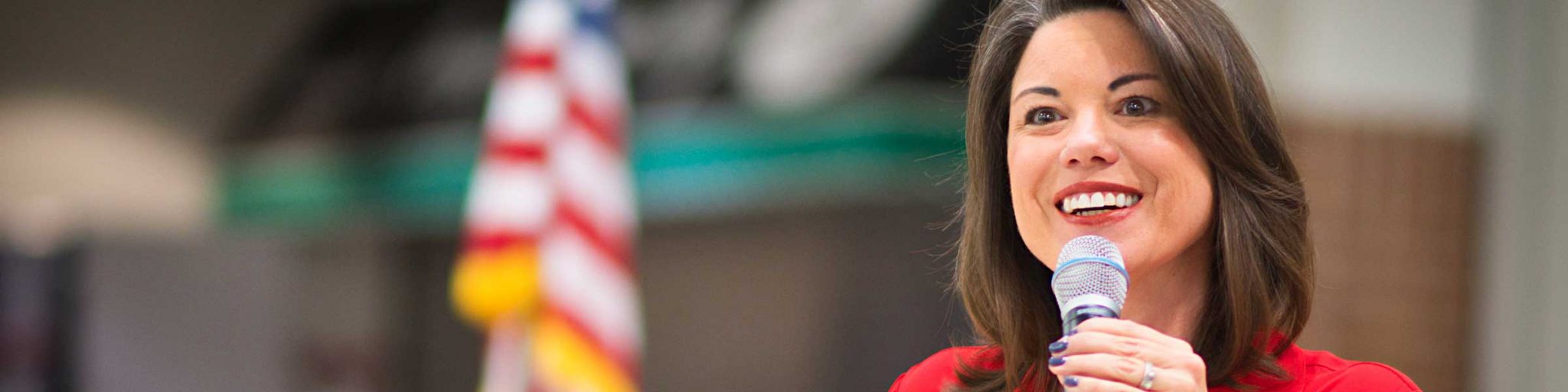
We are represented in Congress by U.S. Rep. Angie Craig
Officers:
James Hepworth | Chair | chair@dflcd2.org
Kim Westra | Vice Chair | vicechair@dflcd2.org
Dawn Erbstoesser | Outreach and Inclusion | outreach@dflcd2.org
Hugh Gitlin | Treasurer | treasurer@dflcd2.org
Don Rideaux-Crenshaw | Communications | communications@dflcd2.org
Paul Below | Secretary | DFLCD2Secretary@gmail.com
James Hepworth | Chair | chair@dflcd2.org
Kim Westra | Vice Chair | vicechair@dflcd2.org
Dawn Erbstoesser | Outreach and Inclusion | outreach@dflcd2.org
Hugh Gitlin | Treasurer | treasurer@dflcd2.org
Don Rideaux-Crenshaw | Communications | communications@dflcd2.org
Paul Below | Secretary | DFLCD2Secretary@gmail.com
Copyright DFL CD2 2023 | Prepared and paid by Minnesota's 2nd Congressional District Democratic-Farmer-Labor Party, 18208 Empire Trail, Farmington, MN 55024
and is not in conjunction with any candidate or candidate committee.
and is not in conjunction with any candidate or candidate committee.